
Why Acoustic Foam Panels Won’t Soundproof Your Home Studio
One of the biggest misconceptions in home studio design is the belief that acoustic foam panels create soundproofing.
They don’t.
Sorry.
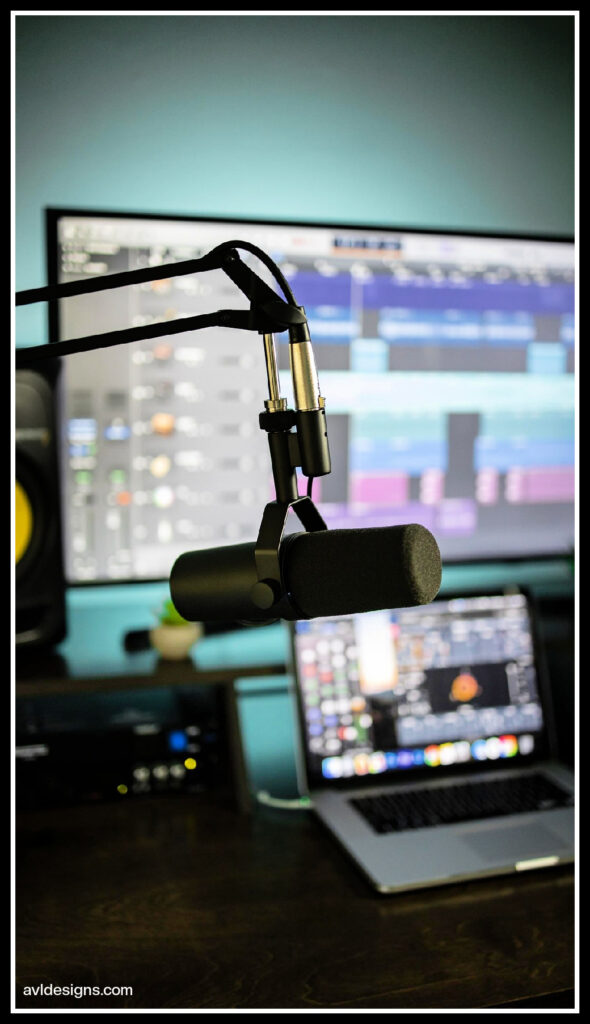
Actually, acoustic foam panels are designed to improve the sound inside a room by reducing reflections and echoes. They do very little to stop sound from traveling into the rest of the building.
Why? The reason that acoustic foam panels do not soundproof is simple: low-frequency sound behaves differently.
Low Frequency Sound 101
While higher frequencies travel mostly through the air, bass causes walls, floors, and ceilings to vibrate. Once vibration enters the building structure, it can travel well beyond the studio itself.
That’s why adding more foam rarely solves complaints about bass disturbing the rest of the house.
Foam isn’t the wrong product—it simply solves a different problem.
What the Pros Do …
Professional recording studios separate acoustic treatment from sound isolation.
Treatment improves listening conditions inside the room.
Isolation prevents sound from leaving the room.
Achieving isolation requires structural solutions such as room-within-a-room construction, floating floors, isolated ceilings, resilient wall assemblies, and engineered vibration isolators.
Here is the Goal
The goal is to interrupt the path the vibration uses to travel through the building.
Even then, success depends on construction details.
A single screw, framing connection, conduit, or mounting bracket can unintentionally reconnect the isolated room to the surrounding structure, reducing the effectiveness of the entire system.
It’s more …
Professional acoustical design is more than just product selection. It considers how every component interacts with the building.
Before Buying
Before purchasing acoustic products, it’s worth asking a few questions:
- Am I trying to improve the sound inside the room?
- Or am I trying to keep sound from leaving it?
- Is the problem airborne sound or structural vibration?
The answers determine the right solution.
Acoustic foam panels remain an excellent tool for improving room acoustics, but it isn’t a substitute for structural isolation.
The best-performing studios don’t simply use more products—they use the right solutions for the right problem.
Understanding the difference helps avoid unnecessary expenses and leads to better-performing spaces.
Related video:
Referenced in this video, another related video: